
Meet Your Coaches
About Australian Karate Academy
Australian Karate Academy in Salisbury was built by practitioners, not businesspeople. Every coach on our team has competed, trained for years under high-level instruction, and loves what they teach. When you train here, you're learning from people who have been exactly where you are and who remember what it felt like to walk in for the first time.
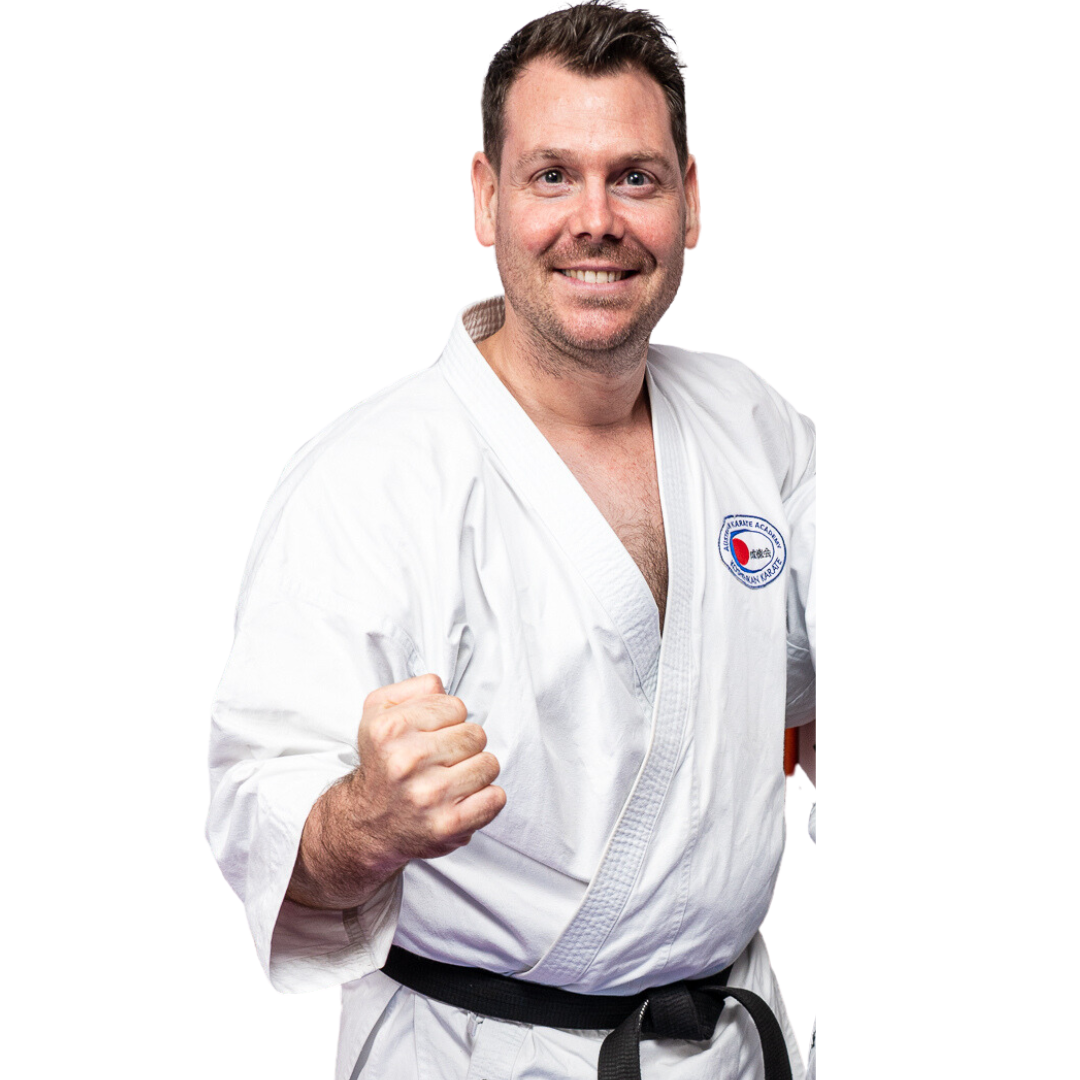
CHEYNE MCMAHON
Grade:
6th Dan Karate
6th Dan Seito Karate Koshinkan. Director and Chief Instructor of Australian Karate Academy. Multiple State, National and International Kumite Champion. WKC World Cup Kumite Champion. QLD Captain and Coach. Podcast Host of Karate Over Coffee. Creator of Handogi, the old-style Okinawan karate uniform.
"I want every student to experience authentic traditional martial arts at the highest standard, while building confidence, discipline, resilience and friendships that last a lifetime. My mission is to preserve these traditions and ensure they continue to thrive for generations to come."
Our History
The history of the Australian Karate Academy spans three generations and more than 60 years of karate training, competition, coaching and teaching. From Bob McMahon beginning karate in 1965, to the establishment of AKA in 1989 and its continued development under Cheyne McMahon, the academy has remained committed to traditional karate while continuing to grow and evolve.
1965
Bob McMahon begins karate
Bob McMahon began training in karate while still attending high school in Brisbane. His early training introduced him to the foundations of Japanese karate and began a lifelong involvement in martial arts.
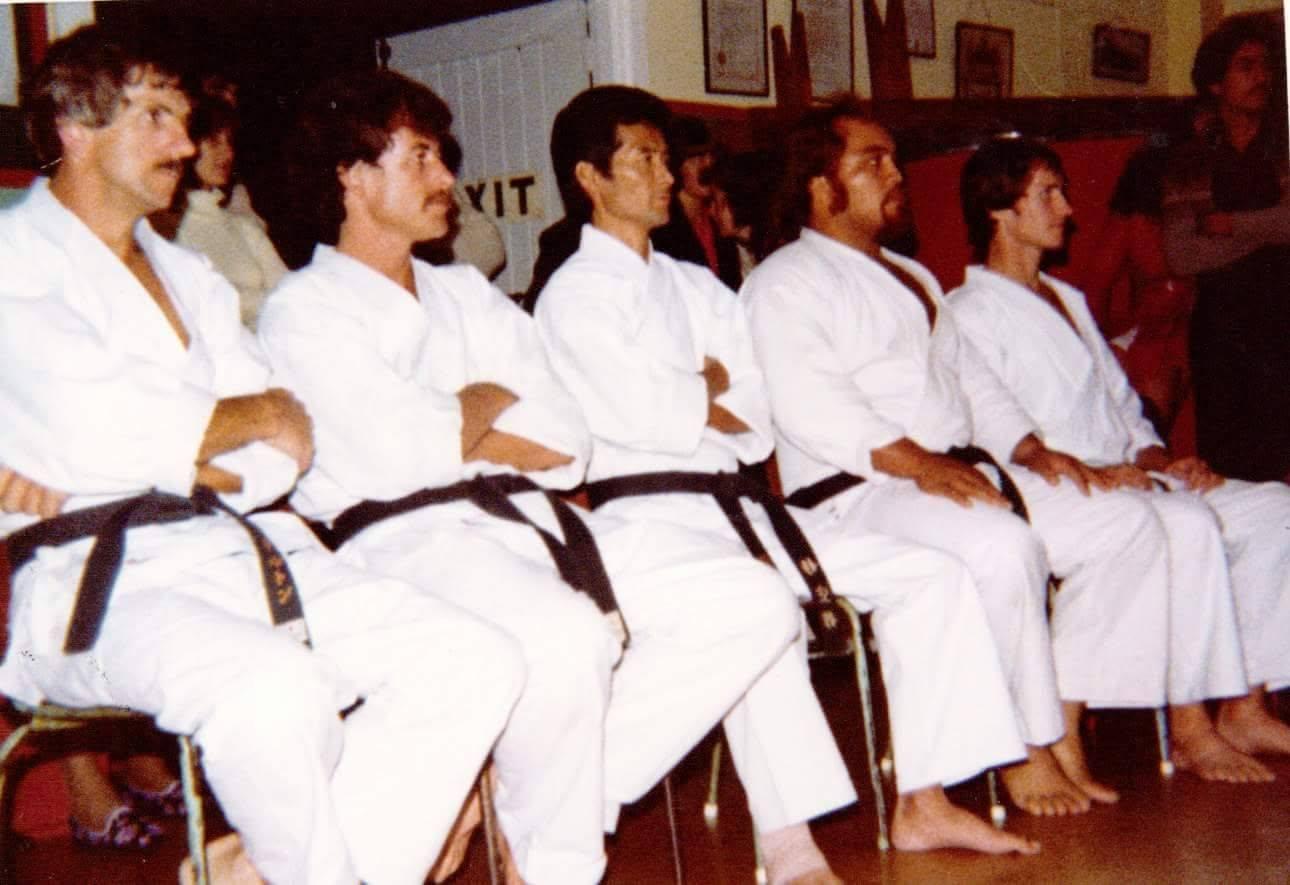
1965
Bob McMahon begins karate
Bob McMahon began training in karate while still attending high school in Brisbane. His early training introduced him to the foundations of Japanese karate and began a lifelong involvement in martial arts.
1970
Bob joins Seikukan Karate
After training in several systems, Bob joined Seikukan Karate in 1970. Seikukan became the foundation of his early karate development, competition career and teaching methods.
1970
Bob joins Seikukan Karate
After training in several systems, Bob joined Seikukan Karate in 1970. Seikukan became the foundation of his early karate development, competition career and teaching methods.
1973
Bob grades to 1st Dan
Bob earned his 1st Dan under M. Takemori Sensei. This marked the beginning of his journey as a senior karate practitioner and, eventually, an instructor.
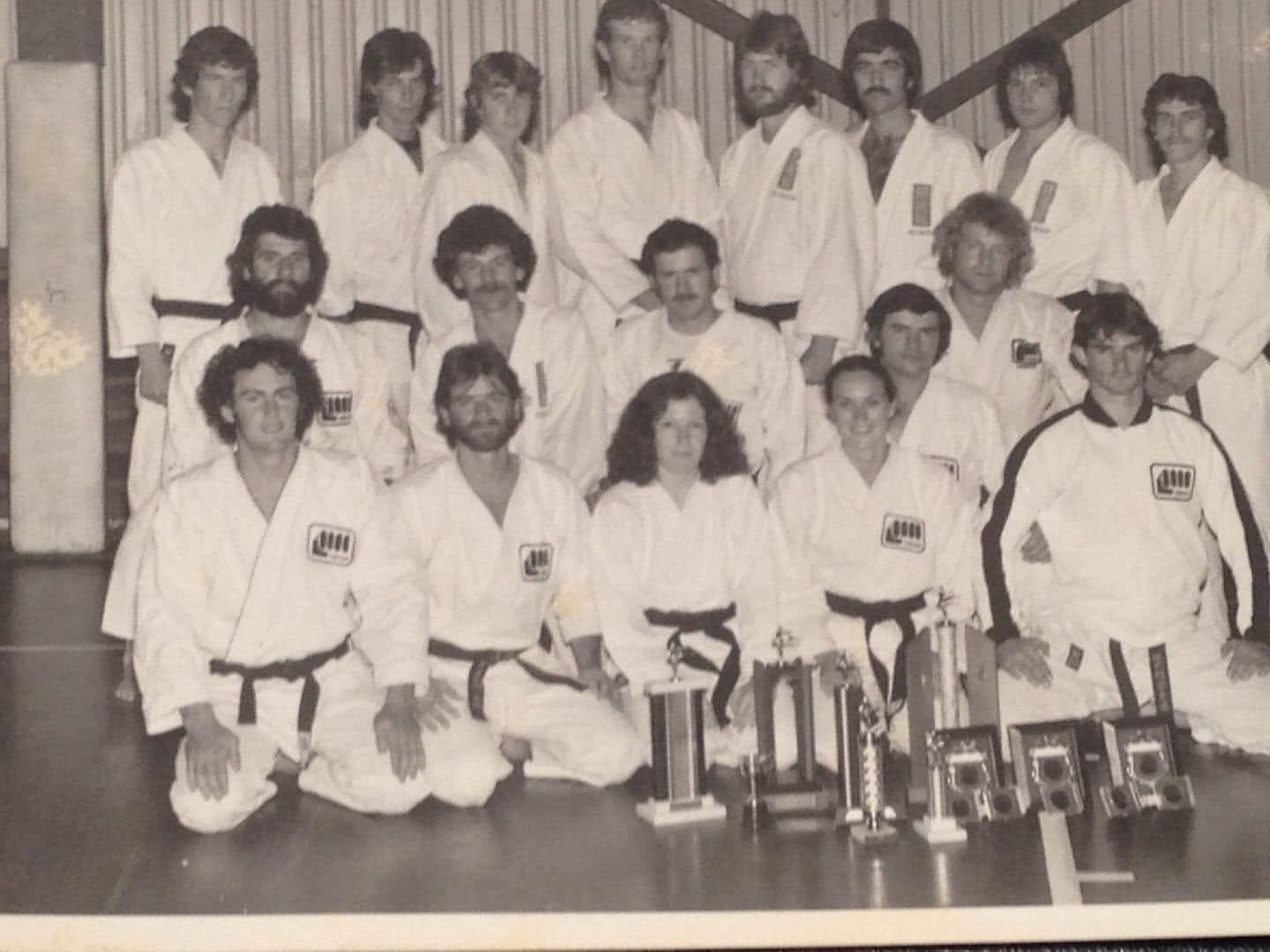
1973
Bob grades to 1st Dan
Bob earned his 1st Dan under M. Takemori Sensei. This marked the beginning of his journey as a senior karate practitioner and, eventually, an instructor.
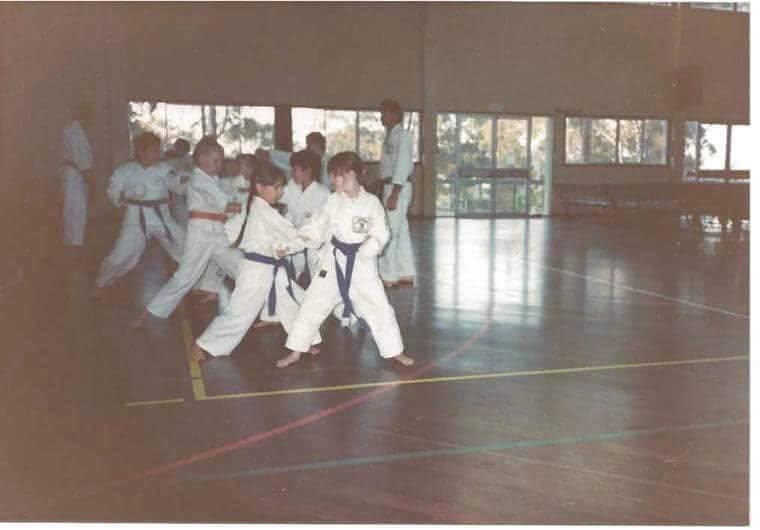
1976
National medal and 2nd Dan
Bob placed third at the Australian Karate Federation National Championships. That same year, he graded to 2nd Dan under M. Takemori Sensei.
1976
National medal and 2nd Dan
Bob placed third at the Australian Karate Federation National Championships. That same year, he graded to 2nd Dan under M. Takemori Sensei.
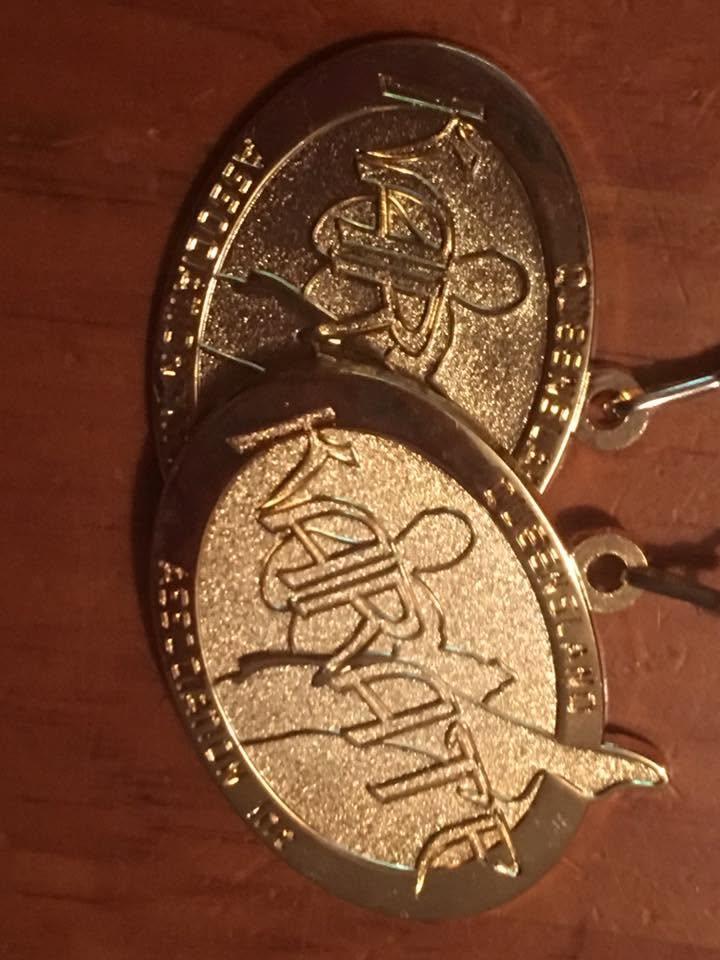
1979
Double national champion
Bob won both the under-80-kilogram and open-weight divisions at the Australian Karate Federation National Championships. He also graded to 3rd Dan and began developing the coaching methods that would later produce many state, national and international champions.
1979
Double national champion
Bob won both the under-80-kilogram and open-weight divisions at the Australian Karate Federation National Championships. He also graded to 3rd Dan and began developing the coaching methods that would later produce many state, national and international champions.
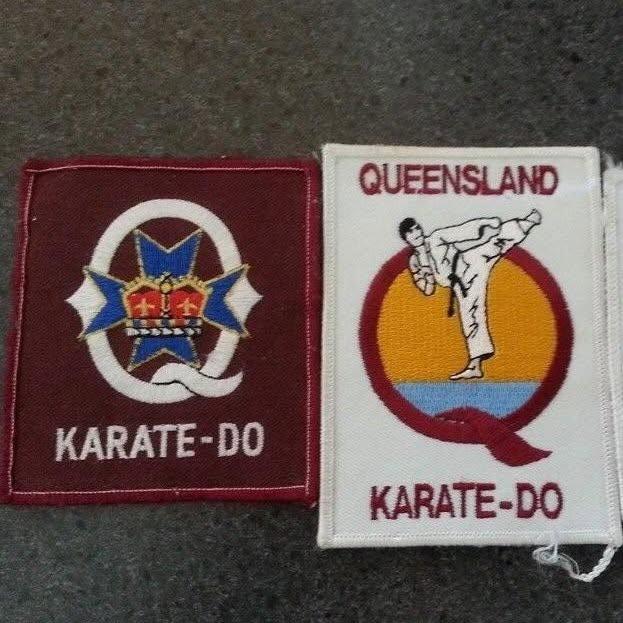
1984
Bob grades to 4th Dan
Bob graded to 4th Dan under M. Takemori Sensei.
1984
Bob grades to 4th Dan
Bob graded to 4th Dan under M. Takemori Sensei.
1986
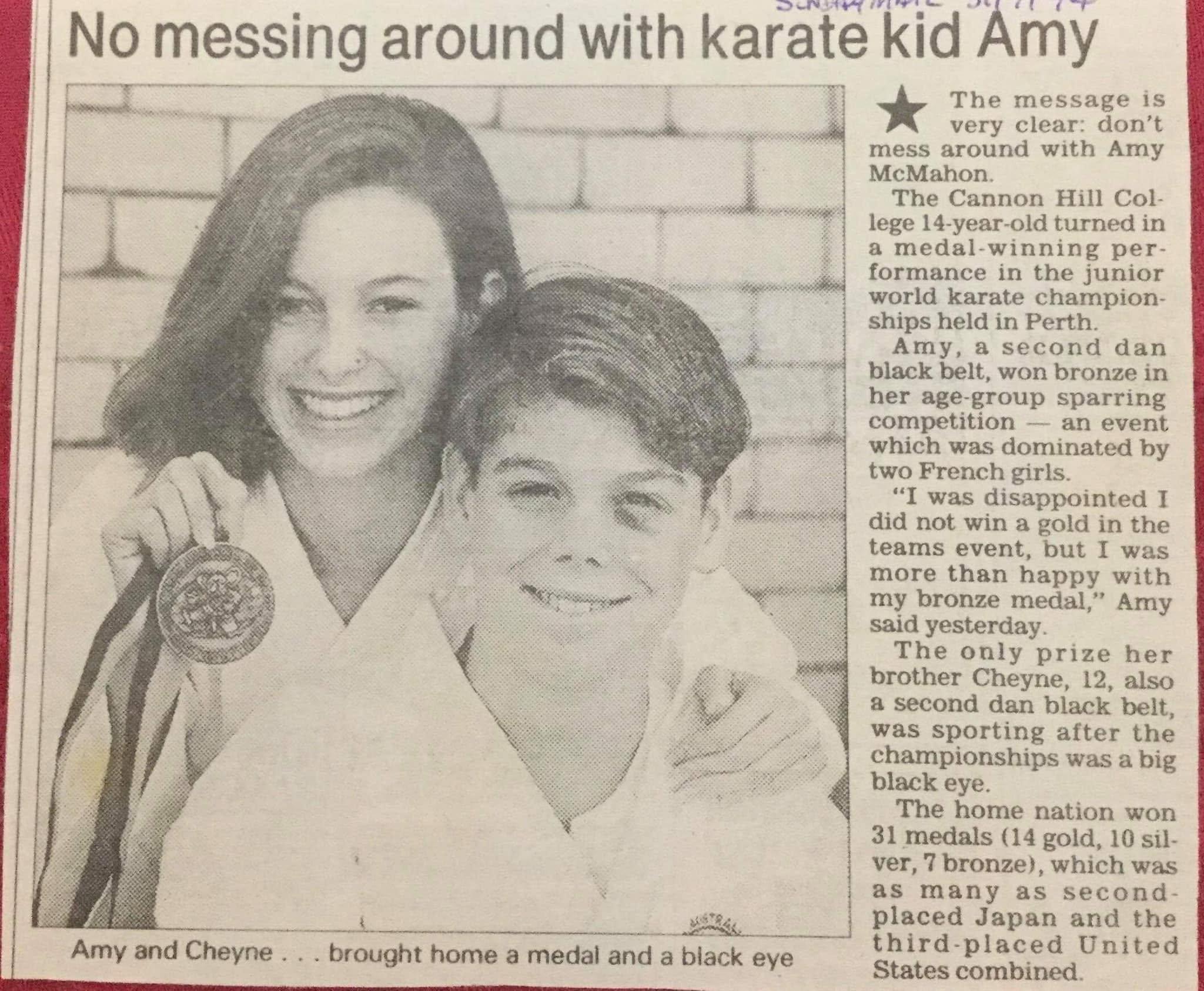
Cheyne McMahon begins karate
Bob's son, Cheyne McMahon, began training under his father. Cheyne grew up inside the dojo and would eventually become the second-generation owner and chief instructor of the Australian Karate Academy.
1986
Cheyne McMahon begins karate
Bob's son, Cheyne McMahon, began training under his father. Cheyne grew up inside the dojo and would eventually become the second-generation owner and chief instructor of the Australian Karate Academy.
1989
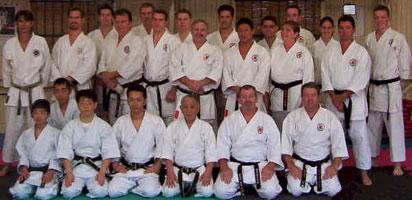
Australian Karate Academy established
Bob officially established the Australian Karate Academy. That same year, AKA opened its full-time dojo in Coorparoo, which became the academy's headquarters for almost three decades.
1989
Australian Karate Academy established
Bob officially established the Australian Karate Academy. That same year, AKA opened its full-time dojo in Coorparoo, which became the academy's headquarters for almost three decades.
1990
Cheyne grades to Junior Shodan
Cheyne earned his Junior Shodan after four years of training under his father.
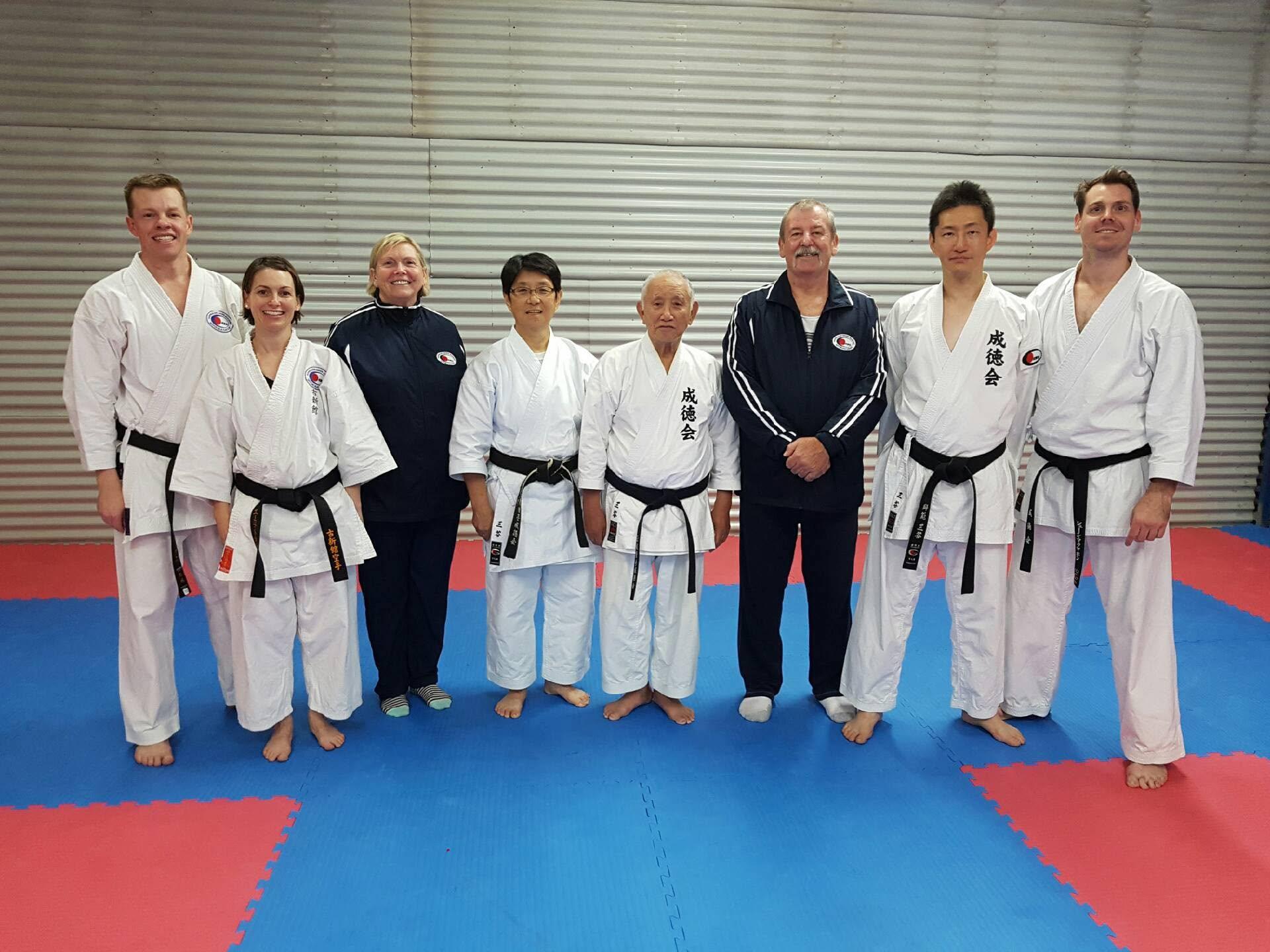
1990
Cheyne grades to Junior Shodan
Cheyne earned his Junior Shodan after four years of training under his father.
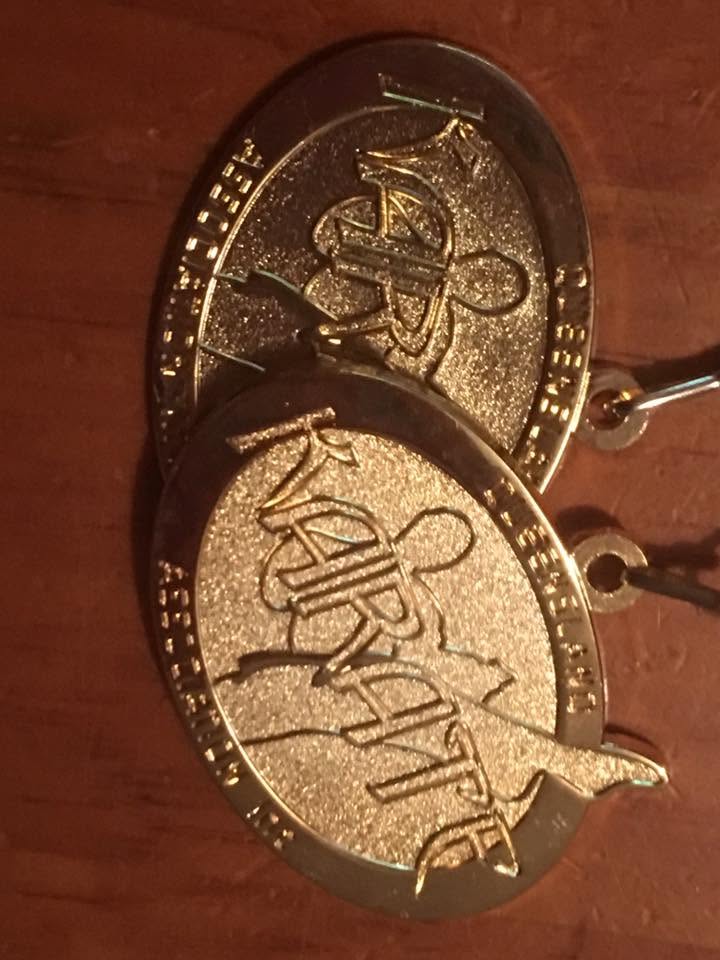
1992
A new competitive generation
Bob graded to 5th Dan under Yasuhiro Konishi Sensei and Kiyoshi Yamazaki Sensei. Around this time, Cheyne began competing successfully in state and national tournaments. Between 1992 and 2001, Cheyne won numerous Queensland and Australian titles.
1992
A new competitive generation
Bob graded to 5th Dan under Yasuhiro Konishi Sensei and Kiyoshi Yamazaki Sensei. Around this time, Cheyne began competing successfully in state and national tournaments. Between 1992 and 2001, Cheyne won numerous Queensland and Australian titles.
1993
Cheyne wins his first national title
Cheyne graded to Junior Nidan and won his first Australian national championship. This began a long competitive career at state, national and international level.
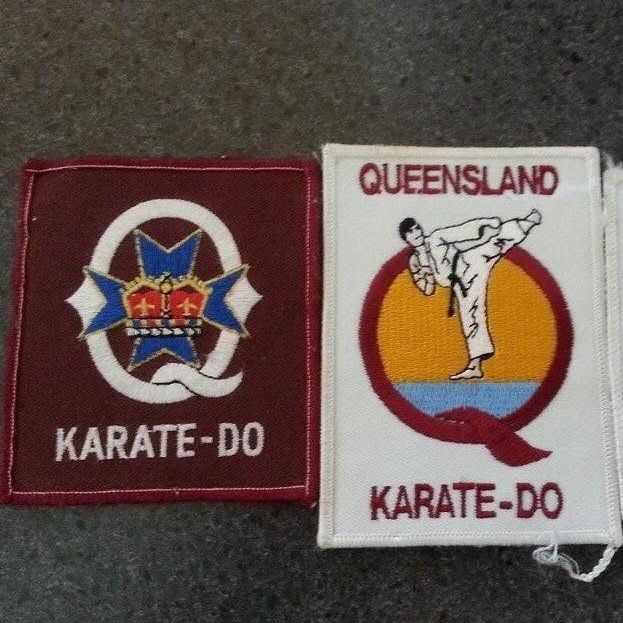
1993
Cheyne wins his first national title
Cheyne graded to Junior Nidan and won his first Australian national championship. This began a long competitive career at state, national and international level.
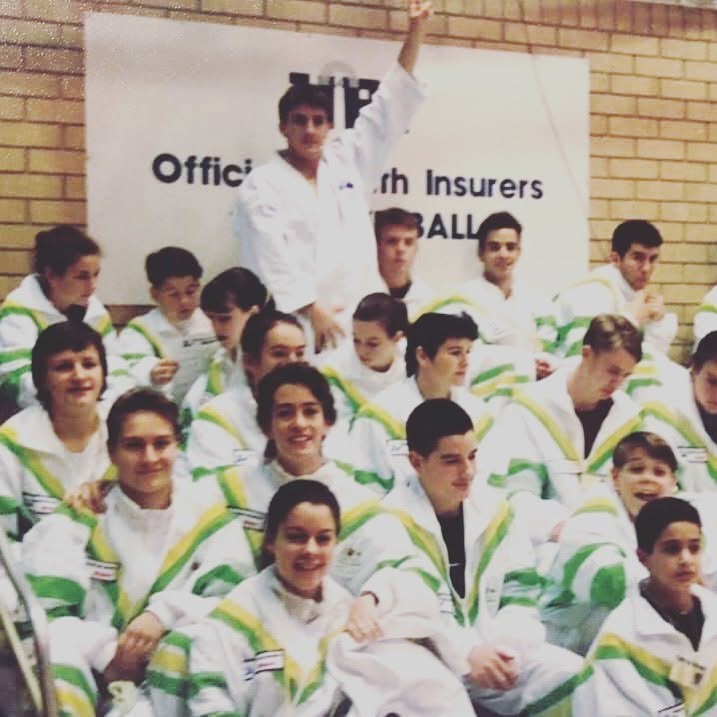
1994
Cheyne represents Australia
Cheyne was selected to represent Australia internationally for the first time.
1994
Cheyne represents Australia
Cheyne was selected to represent Australia internationally for the first time.
1996
Australian representation continues
Cheyne again represented Australia in international competition.
1996
Australian representation continues
Cheyne again represented Australia in international competition.
1997
Cheyne grades to Senior Shodan
Cheyne completed the transition from the junior grading system and earned his Senior Shodan. He continued competing successfully while taking on a greater role as an instructor within AKA.
1997
Cheyne grades to Senior Shodan
Cheyne completed the transition from the junior grading system and earned his Senior Shodan. He continued competing successfully while taking on a greater role as an instructor within AKA.
1998
International competition
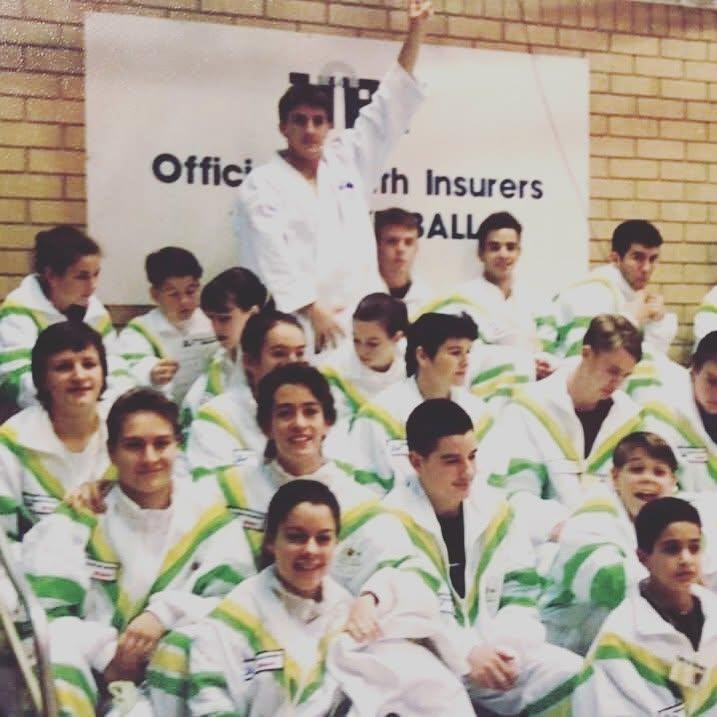
Cheyne represented Australia for a third time, continuing to build his experience at international level.
1998
International competition
Cheyne represented Australia for a third time, continuing to build his experience at international level.
1999
World Cup victory
Cheyne graded to Nidan and won a World Cup title in Switzerland. The result became one of the major achievements of his international competition career.
1999
World Cup victory
Cheyne graded to Nidan and won a World Cup title in Switzerland. The result became one of the major achievements of his international competition career.
2001
AKA joins Seito Karate Seitokukai
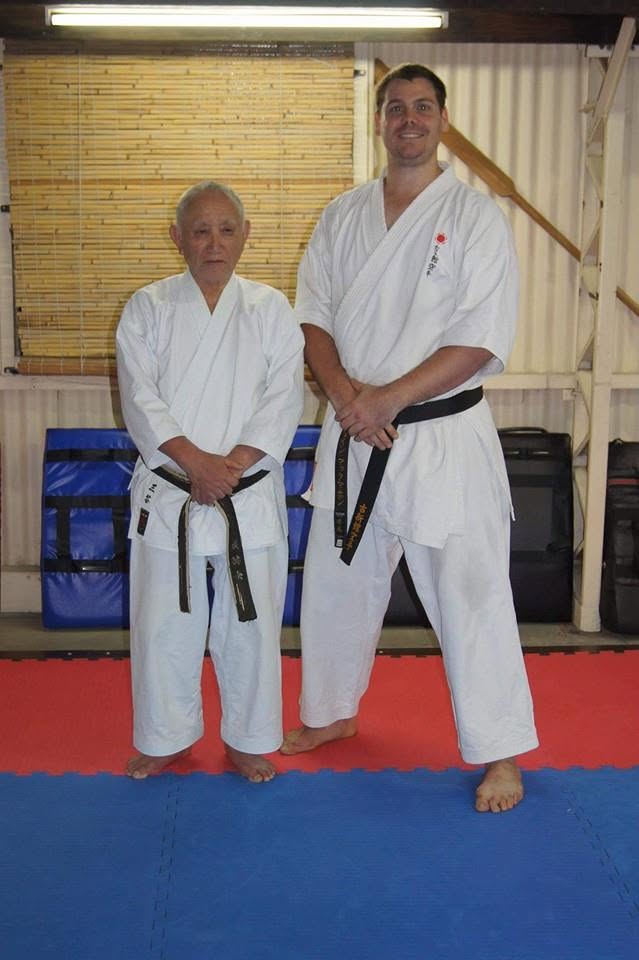
The Australian Karate Academy began its relationship with Mitani Kazuya Sensei and the Mitani family in Japan. AKA joined Seito Karate Seitokukai, and the karate and historical research of Kinjo Hiroshi Sensei became an important influence on the academy's technical direction. This relationship continues to guide AKA today.
2001
AKA joins Seito Karate Seitokukai
The Australian Karate Academy began its relationship with Mitani Kazuya Sensei and the Mitani family in Japan. AKA joined Seito Karate Seitokukai, and the karate and historical research of Kinjo Hiroshi Sensei became an important influence on the academy's technical direction. This relationship continues to guide AKA today.
Early 2000s
AKA expands across Australia
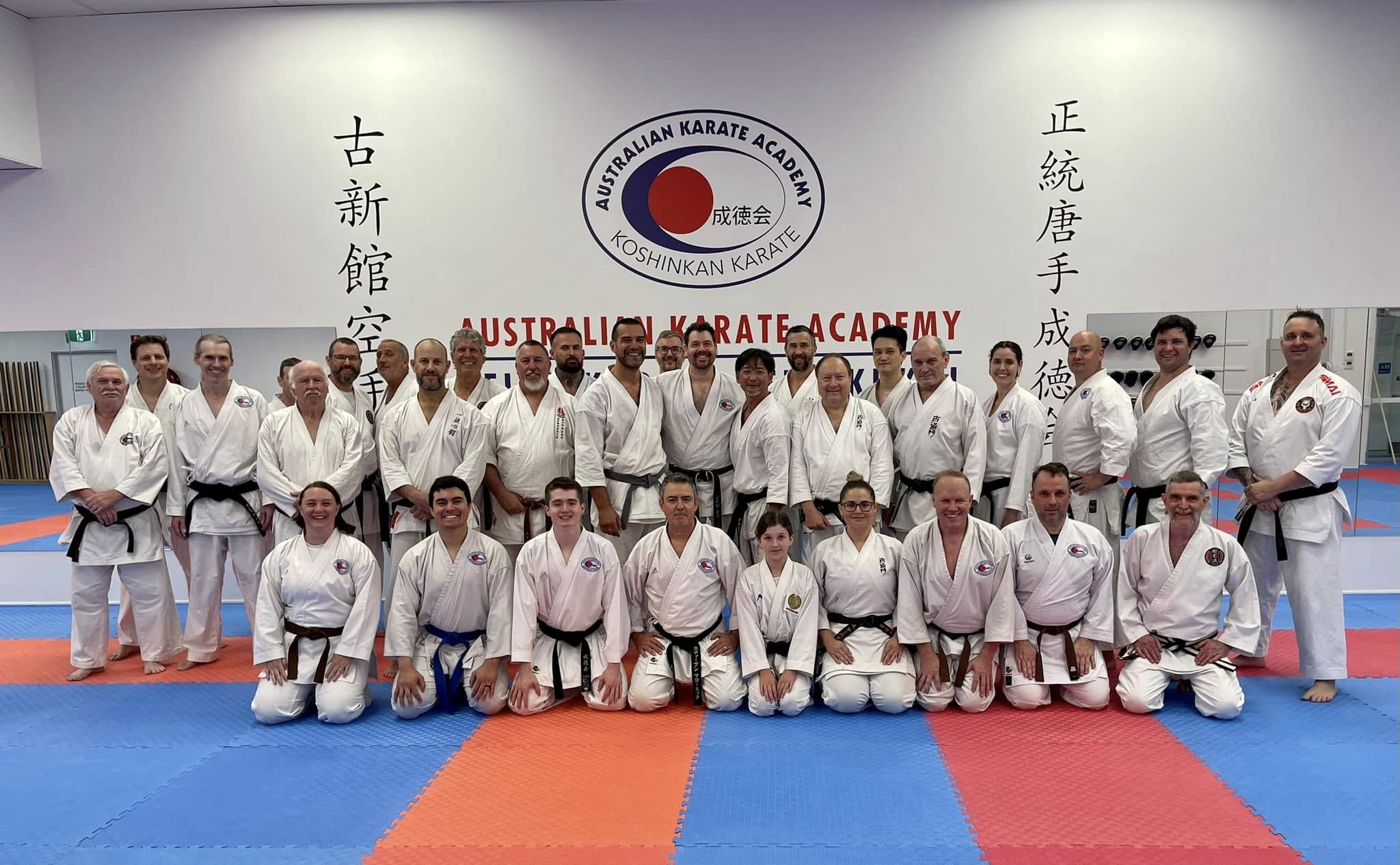
At its peak, the Australian Karate Academy grew to approximately 30 dojos. Bob helped establish dojos throughout Australia while continuing to oversee AKA's main Brisbane locations and affiliated branches. During this period, AKA also hosted seminars with internationally recognised instructors including Vince Morris, Kiyoshi Yamazaki, Patrick McCarthy and Kinjo Hiroshi. Bob became increasingly involved in karate history and research and was known internationally for his contributions to early online martial arts discussion groups.
2002
Bob grades to 6th Dan
Bob was promoted to 6th Dan after almost four decades of karate training, teaching, coaching and research.
2002
Bob grades to 6th Dan
Bob was promoted to 6th Dan after almost four decades of karate training, teaching, coaching and research.
2003
Cheyne grades to Sandan
Cheyne earned his 3rd Dan while continuing to teach and represent AKA in competition.
2003
Cheyne grades to Sandan
Cheyne earned his 3rd Dan while continuing to teach and represent AKA in competition.
2005
Korean national champion and coach
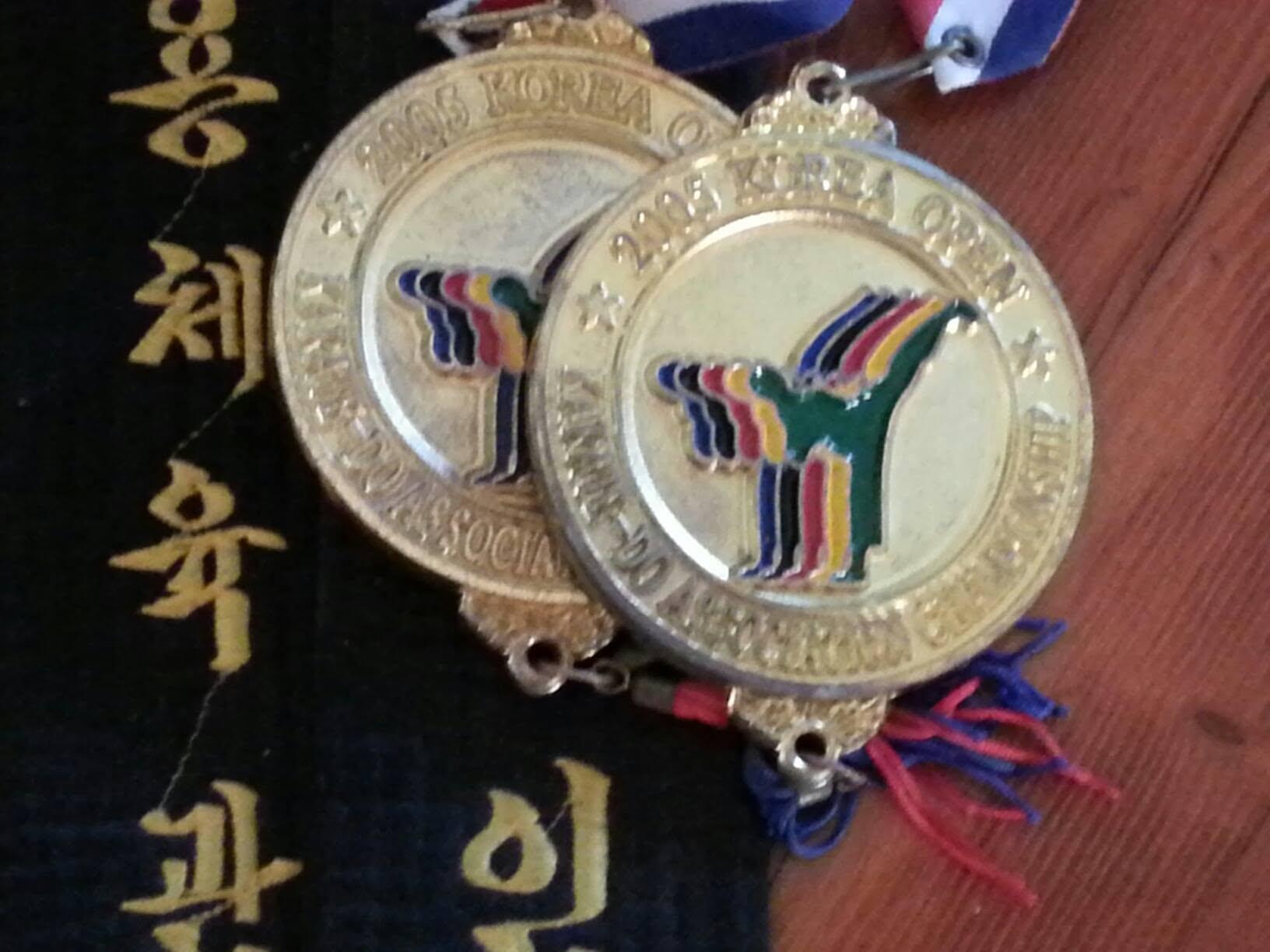
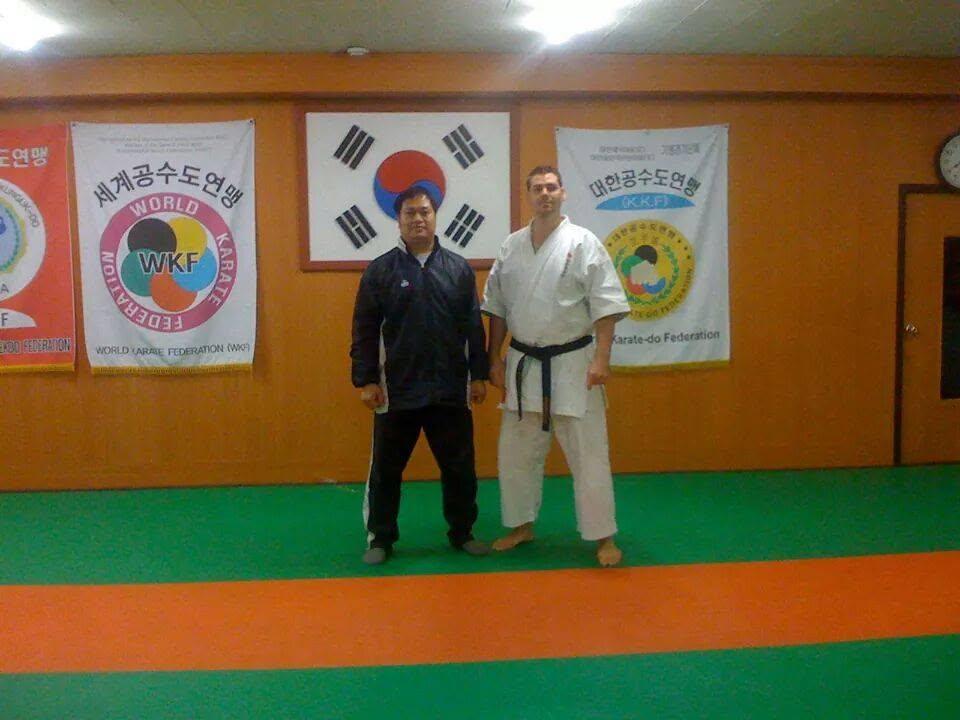
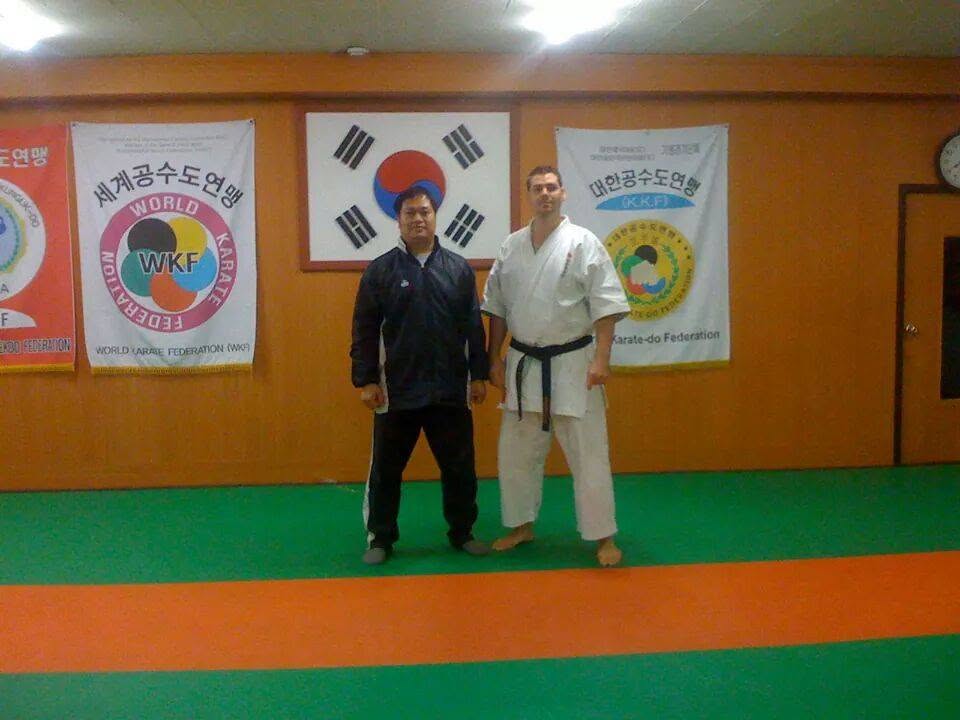
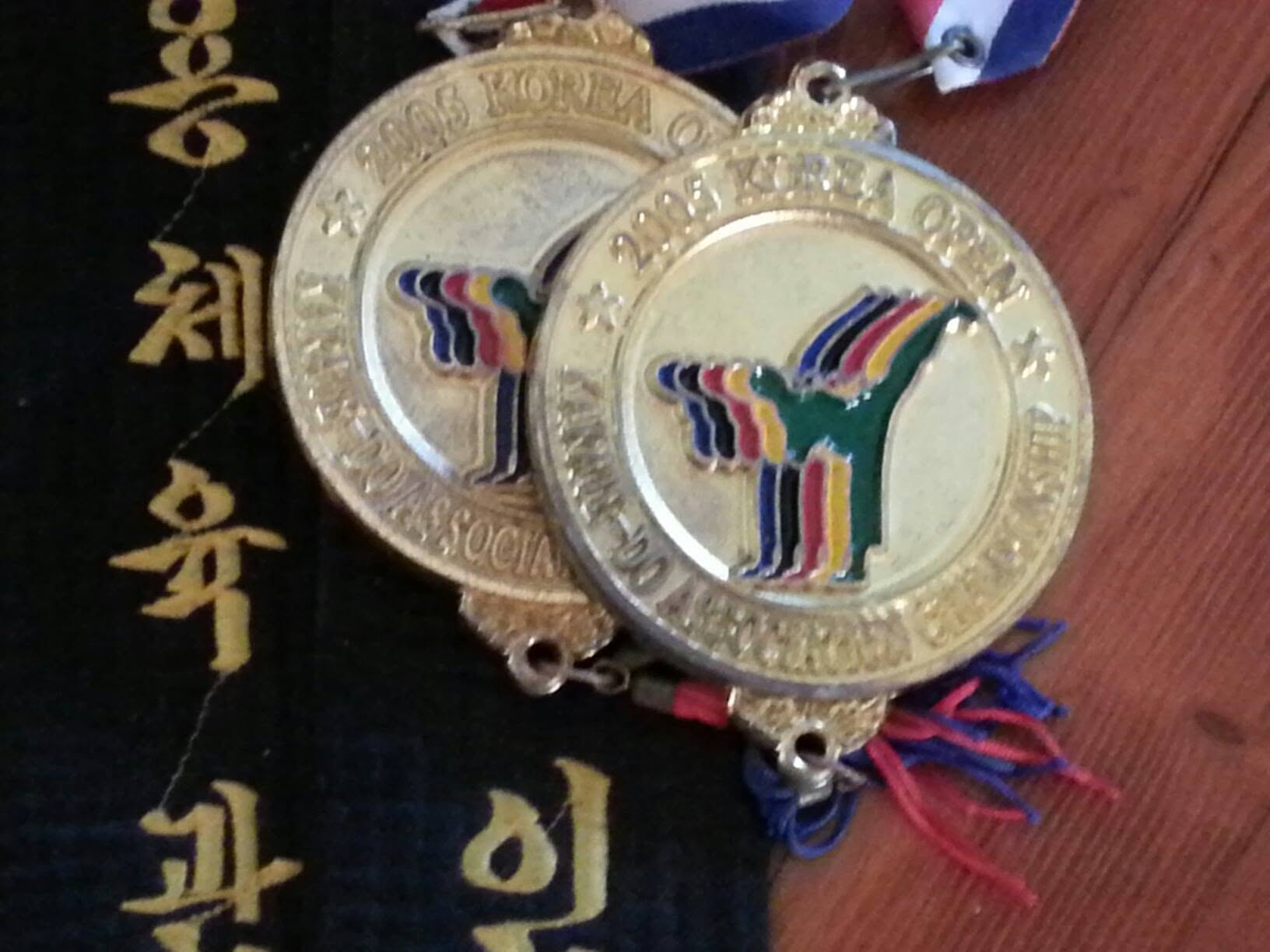
Cheyne won a Korean national championship title. He was also invited to coach the Korean national kumite team, beginning an important international coaching relationship.
2005
Korean national champion and coach
Cheyne won a Korean national championship title. He was also invited to coach the Korean national kumite team, beginning an important international coaching relationship.
2006
Second Korean national title
Cheyne won another Korean national championship and again coached the Korean national kumite team.
2006
Second Korean national title
Cheyne won another Korean national championship and again coached the Korean national kumite team.
2007
Cheyne grades to Yondan
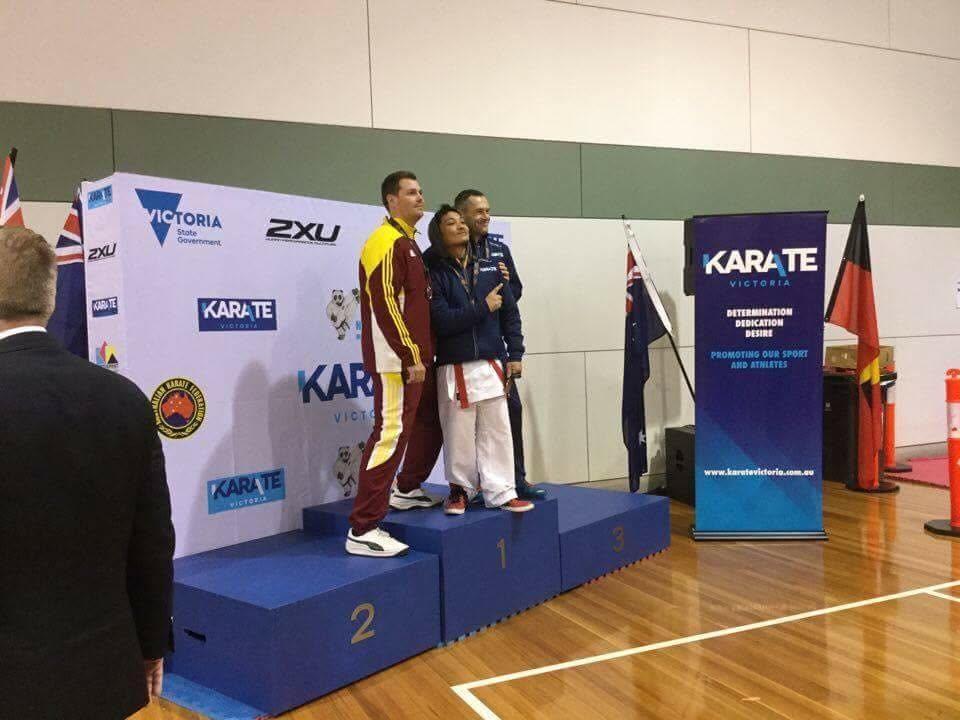
Cheyne was promoted to 4th Dan. By this stage, he had developed extensive experience as a competitor, instructor and international coach.
2007
Cheyne grades to Yondan
Cheyne was promoted to 4th Dan. By this stage, he had developed extensive experience as a competitor, instructor and international coach.
2012
Major grading milestone
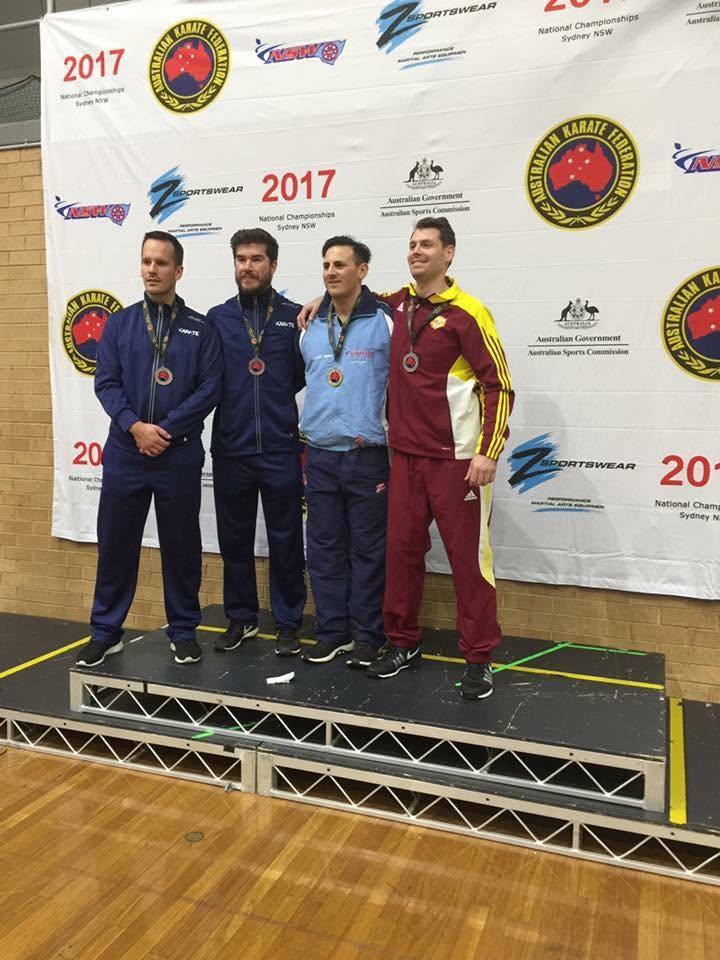
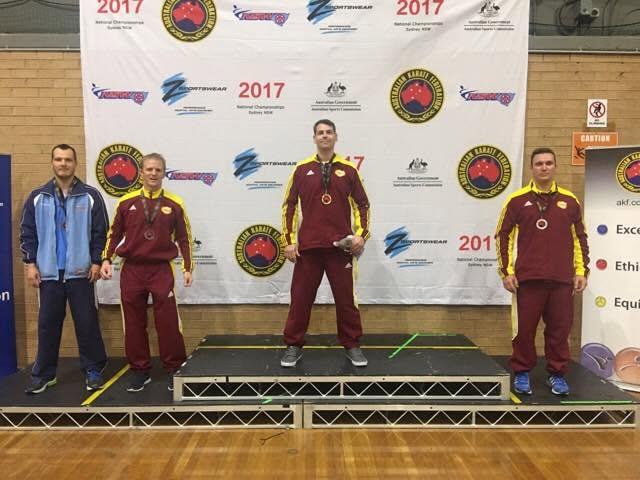
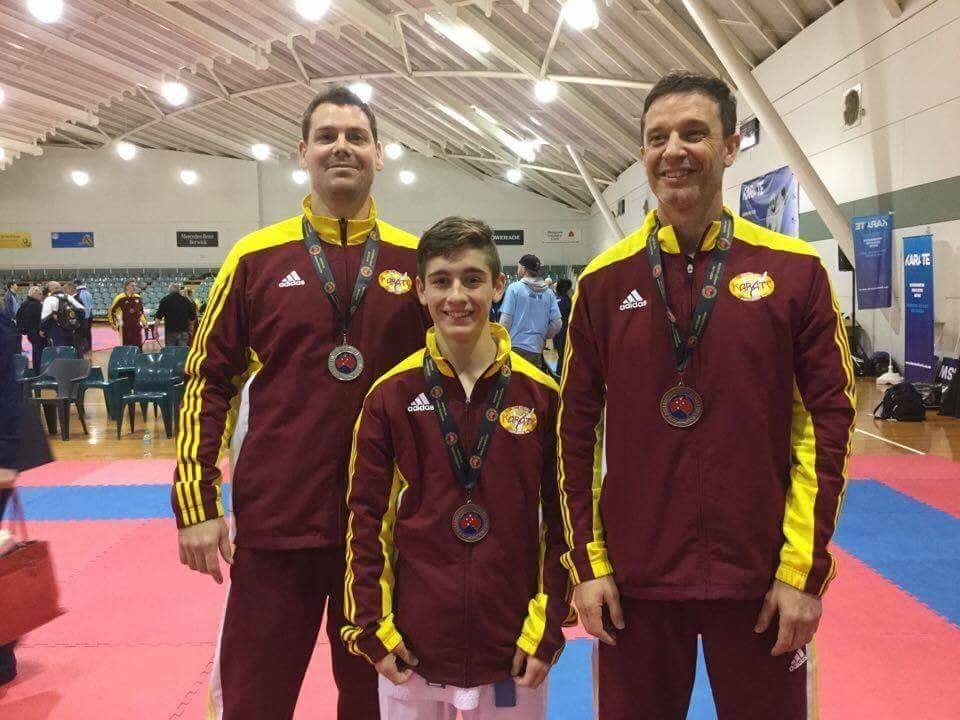
Bob graded to 7th Dan, recognising nearly five decades of involvement in karate. Cheyne graded to 5th Dan during the same year. Cheyne also returned to high-level Australian Karate Federation competition, winning further state and national titles between 2012 and 2017.
2012
Major grading milestone
Bob graded to 7th Dan, recognising nearly five decades of involvement in karate. Cheyne graded to 5th Dan during the same year. Cheyne also returned to high-level Australian Karate Federation competition, winning further state and national titles between 2012 and 2017.
2017
A new chapter for AKA
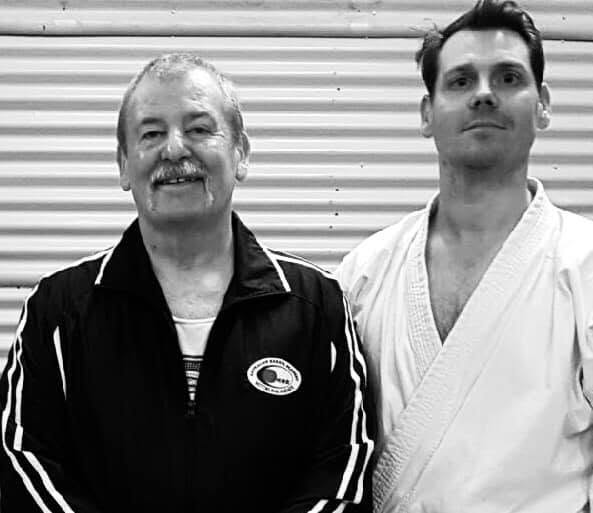
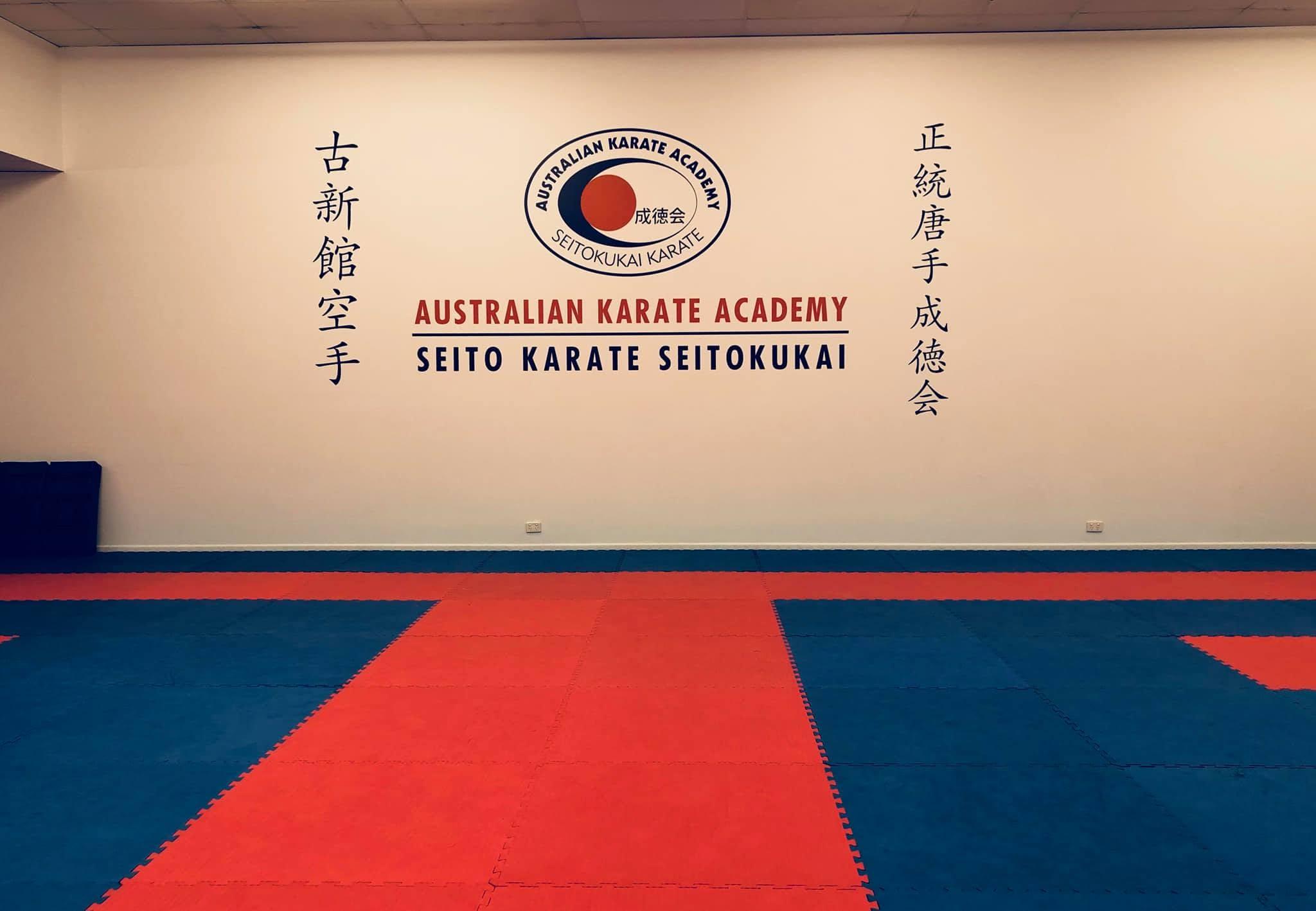
Bob retired from the day-to-day operation of the academy, and Cheyne took over as owner and chief instructor. After nearly three decades in Coorparoo, the academy relocated to a larger full-time dojo in Salisbury.
2017
A new chapter for AKA
Bob retired from the day-to-day operation of the academy, and Cheyne took over as owner and chief instructor. After nearly three decades in Coorparoo, the academy relocated to a larger full-time dojo in Salisbury.
2017
AKA Sydney opens
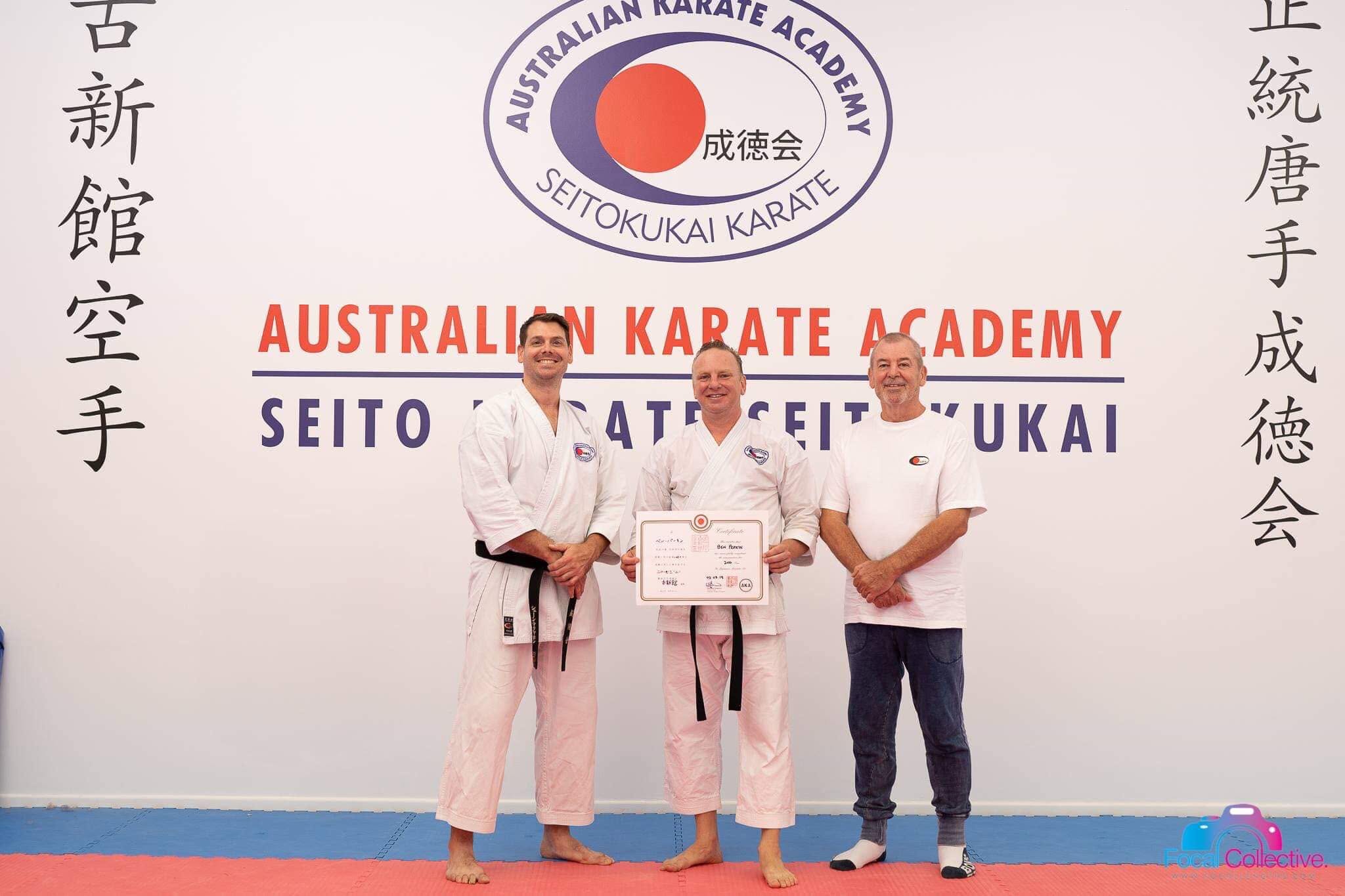
The Australian Karate Academy Sydney dojo opened under the leadership of Ben Perkin. The Sydney dojo became AKA's second major branch and has continued to develop under Ben and Nikola Perkin.
2017
AKA Sydney opens
The Australian Karate Academy Sydney dojo opened under the leadership of Ben Perkin. The Sydney dojo became AKA's second major branch and has continued to develop under Ben and Nikola Perkin.
2017
International coaching and final competition year
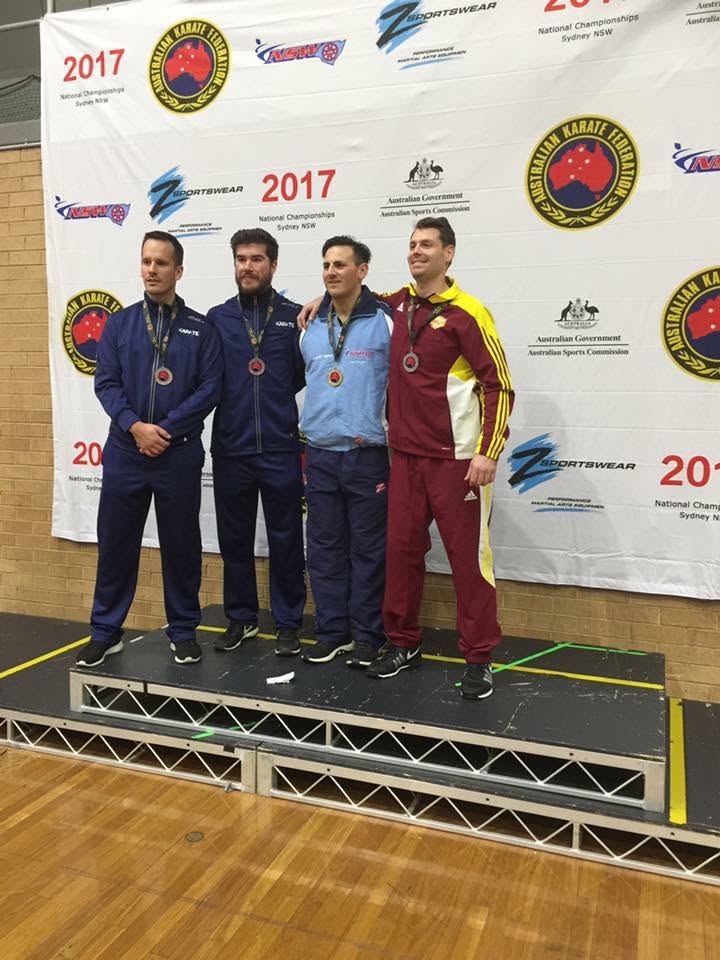
Cheyne again coached the Korean national kumite team. After winning further state and national titles, he retired from competitive karate to concentrate on teaching, coaching and leading the academy.
2017
International coaching and final competition year
Cheyne again coached the Korean national kumite team. After winning further state and national titles, he retired from competitive karate to concentrate on teaching, coaching and leading the academy.
2018
Dirty Karate seminar series
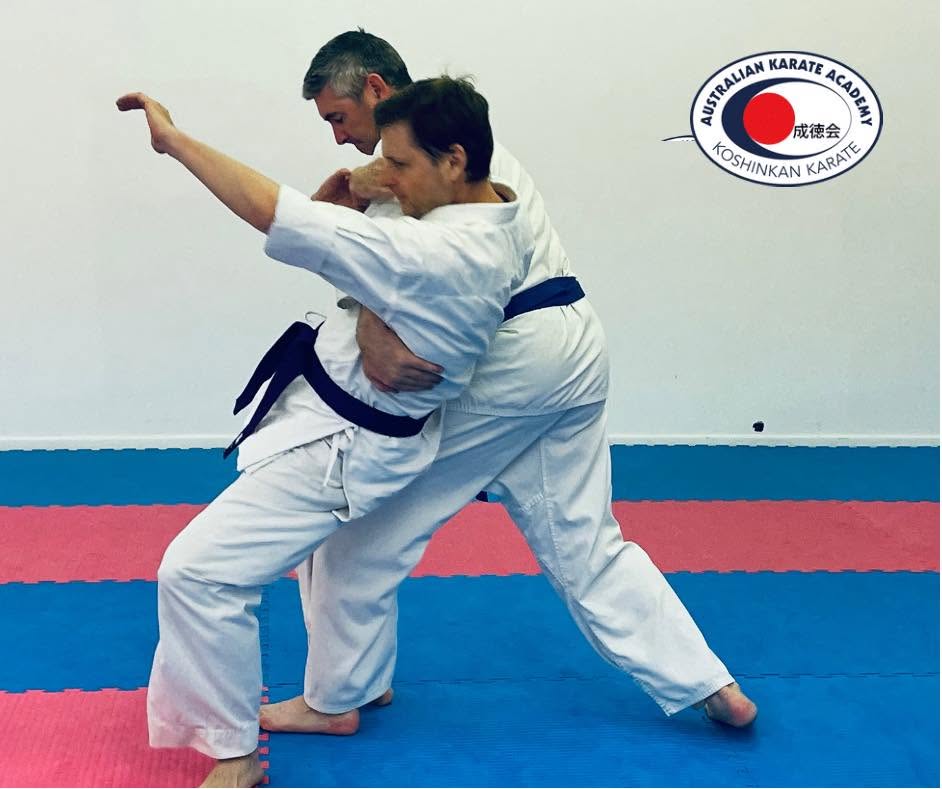
Cheyne created the Dirty Karate seminar series. The seminars explored the less commonly practised elements of traditional karate, including close-range striking, controlling, seizing, takedowns, joint manipulation and practical kata application.
2018
Dirty Karate seminar series
Cheyne created the Dirty Karate seminar series. The seminars explored the less commonly practised elements of traditional karate, including close-range striking, controlling, seizing, takedowns, joint manipulation and practical kata application.
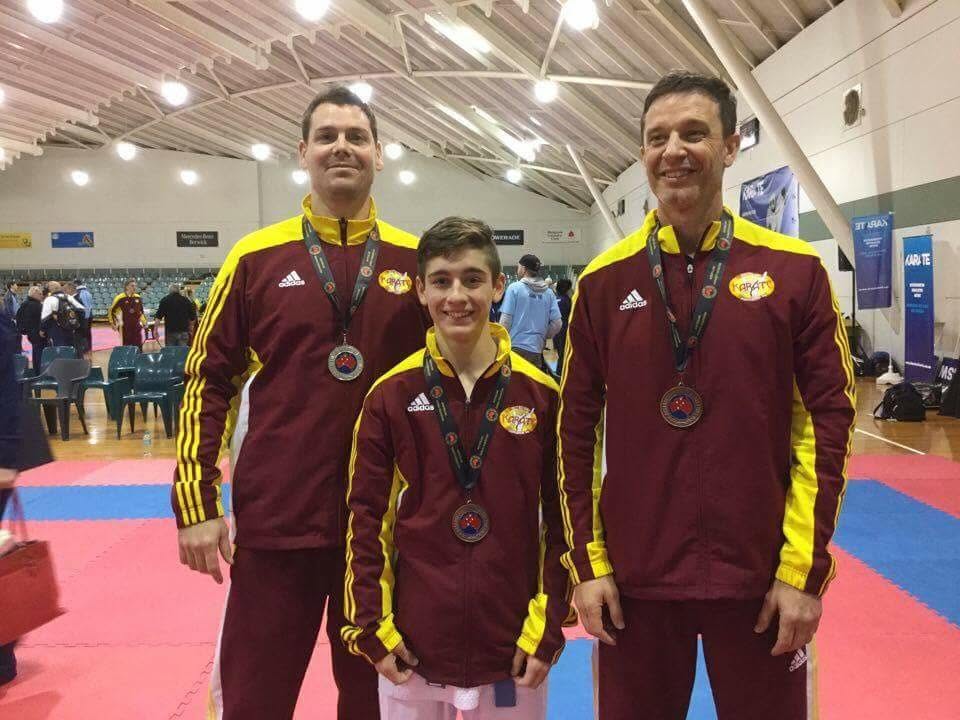
2018
Queensland state coach
Cheyne became a Queensland state karate coach, a position he held from 2018 until 2022. His coaching experience included developing athletes for state, national and international competition.
2018
Queensland state coach
Cheyne became a Queensland state karate coach, a position he held from 2018 until 2022. His coaching experience included developing athletes for state, national and international competition.
2018
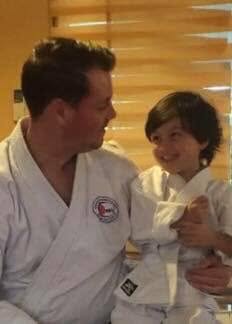
A third generation begins
Cheyne's son, Leon, began training in karate. His first steps onto the dojo floor marked the beginning of a third generation of the McMahon family practising within the Australian Karate Academy.
2018
A third generation begins
Cheyne's son, Leon, began training in karate. His first steps onto the dojo floor marked the beginning of a third generation of the McMahon family practising within the Australian Karate Academy.
2021
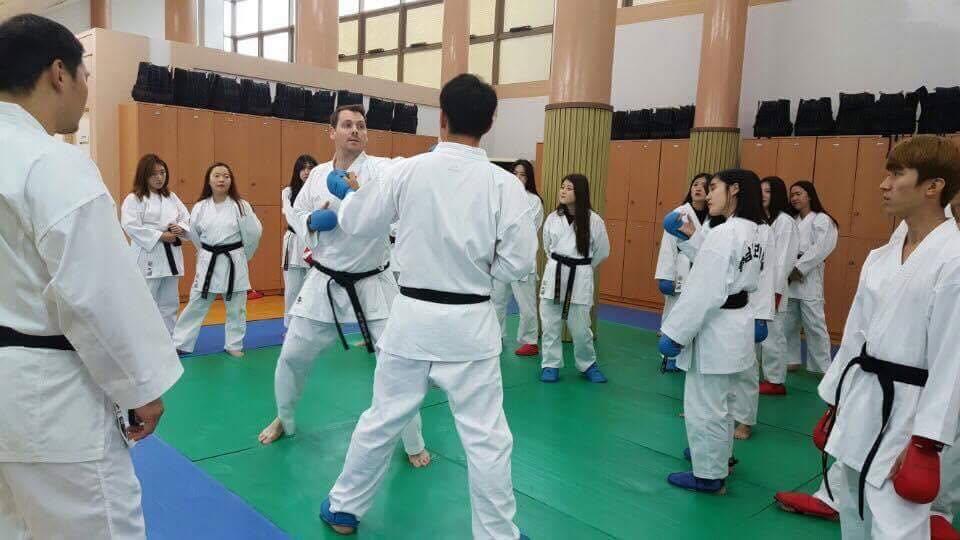
Karate Over Coffee
Cheyne created the Karate Over Coffee podcast with Reece Cummings. The podcast featured discussions with respected karate practitioners, teachers, competitors, researchers and historians from around the world. It also gave Cheyne an opportunity to share his experiences as a second-generation karate teacher, full-time dojo owner and practitioner of the karate passed down through Kinjo Hiroshi Sensei and the Seitokukai lineage.
2021
Karate Over Coffee
Cheyne created the Karate Over Coffee podcast with Reece Cummings. The podcast featured discussions with respected karate practitioners, teachers, competitors, researchers and historians from around the world. It also gave Cheyne an opportunity to share his experiences as a second-generation karate teacher, full-time dojo owner and practitioner of the karate passed down through Kinjo Hiroshi Sensei and the Seitokukai lineage.
2022
Cheyne grades to Rokudan
Cheyne was promoted to 6th Dan. The grading recognised more than 35 years of karate training and his experience as a competitor, coach, instructor and leader of the Australian Karate Academy.
2022
Cheyne grades to Rokudan
Cheyne was promoted to 6th Dan. The grading recognised more than 35 years of karate training and his experience as a competitor, coach, instructor and leader of the Australian Karate Academy.
2023
Leon grades to Junior Shodan
Leon McMahon graded to Junior Shodan. His grading represented an important milestone for the McMahon family and the continuation of AKA into a third generation.
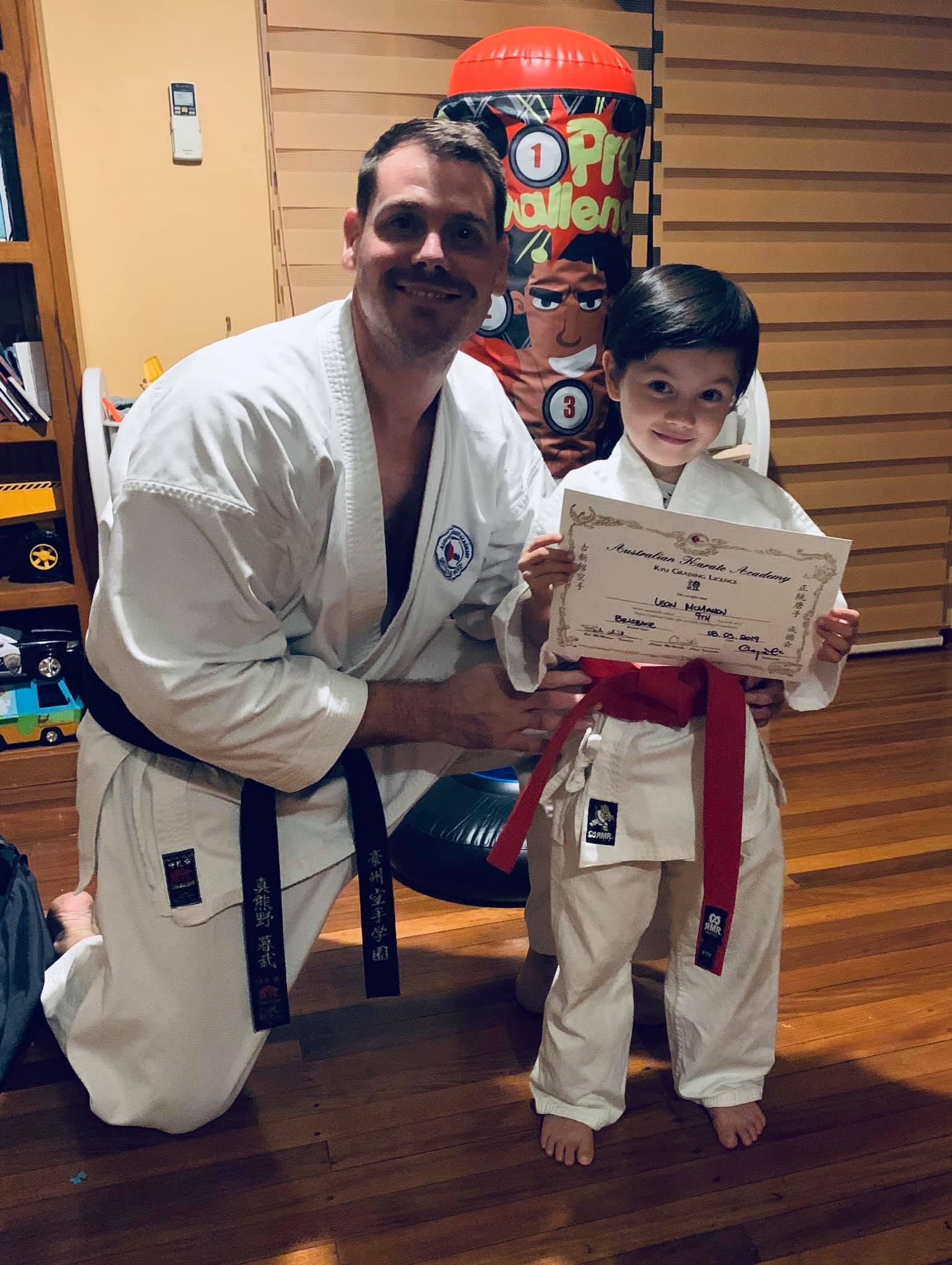
2023
Leon grades to Junior Shodan
Leon McMahon graded to Junior Shodan. His grading represented an important milestone for the McMahon family and the continuation of AKA into a third generation.
Innovation beyond the dojo
Cheyne also created Handogi, an old-style karate uniform inspired by the appearance, construction and practical requirements of Okinawan karate. The project reflected his interest in karate history and his commitment to preserving the character of older karate while making it suitable for modern practitioners.
Today
62 years and three generations
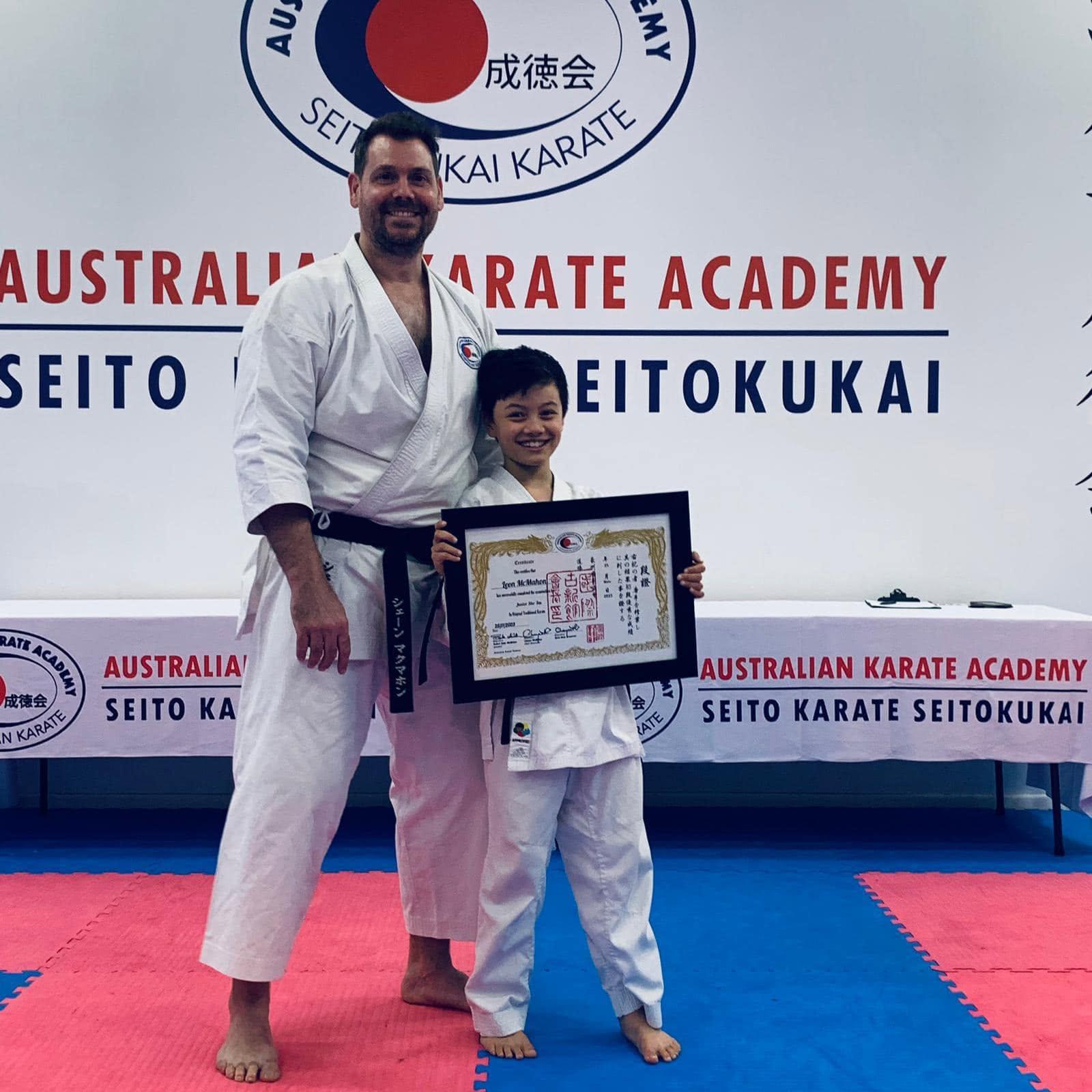
Today, the Australian Karate Academy continues as a second-generation family martial arts organisation with full-time headquarters in Salisbury and a Sydney dojo in Botany. Bob McMahon remains the founder of AKA and holds the rank of 7th Dan. Cheyne McMahon is the owner and chief instructor and holds the rank of 6th Dan. Ben Perkin leads AKA Sydney, supported by Nikola Perkin. Leon McMahon represents the beginning of AKA's third generation.
Today
62 years and three generations
Today, the Australian Karate Academy continues as a second-generation family martial arts organisation with full-time headquarters in Salisbury and a Sydney dojo in Botany. Bob McMahon remains the founder of AKA and holds the rank of 7th Dan. Cheyne McMahon is the owner and chief instructor and holds the rank of 6th Dan. Ben Perkin leads AKA Sydney, supported by Nikola Perkin. Leon McMahon represents the beginning of AKA's third generation.
Today, the Australian Karate Academy continues as a second-generation family martial arts organisation with full-time headquarters in Salisbury and a Sydney dojo in Botany. Bob McMahon remains the founder of AKA and holds the rank of 7th Dan. Cheyne McMahon is the owner and chief instructor of the Australian Karate Academy and holds the rank of 6th Dan. Ben Perkin leads AKA Sydney, supported by Nikola Perkin. Leon McMahon represents the beginning of AKA's third generation. From Bob beginning karate in 1965, to the establishment of AKA in 1989 and its continued growth under Cheyne's leadership, the Australian Karate Academy represents more than 60 years of karate experience and more than 35 years of service to its members and the wider community.
Start Your Own Chapter — Book a TrialWhat We Teach
- Okinawan Karate
- Ryukyu Kobudo
- Brazilian Jiu-Jitsu
Our Locations
Mount Gravatt
176 Messines Ridge Rd, Mount Gravatt QLD 4122 (Yarranlea Primary School)
Kids Karate only
0403 350 339How Can We Help You?
Programs for kids, teens, adults and families. Find the right fit.
Ready to Get Started?
Book your trial: $49 for 2 weeks (save $81). Pick your time next.